May Day and Beltane: How to Celebrate British Spring Folklore Safely
October 10, 2026 - Folklore

October 02, 2026 - Legends
The first day of May has been celebrated in Britain for centuries, and the evidence is all around us: village maypoles, Padstow’s Obby Oss, Jack in the Green processions, and quiet morning walks to wash in the dew. Beltane, the Gaelic festival marking the start of summer, falls on the eve of 1 May and shares some of that same energy — fires, fertility, and the turning of the year. The two are not identical, but they overlap in ways that make late April and early May a rich time to step outside, notice the hawthorn coming into leaf, and join in.
Celebrating well does not mean recreating a museum piece. It means knowing what you are marking, keeping yourself and others safe, and leaving the places you visit as you found them.
May Day in England, Scotland and Wales has long been a mix of parish custom, school games and trade union history. The maypole, the garland, the milkmaids’ dance and the “Obby Oss” at Padstow all belong to different local traditions. Beltane is a Gaelic festival, traditionally celebrated on 30 April into 1 May, with bonfires, cattle driven between fires, and bannocks shared among neighbours. In Wales, Calan Mai marks the first day of summer with similar themes of greenery and light.
You can mark one or both. If you are joining a public event, follow the organisers’ lead. If you are holding your own gathering, keep it small and say clearly what you are doing. A few honest words — “this is a modern adaptation of an old spring custom” — go a long way.
A maypole does not need to be complicated. For a garden, a 3–4 metre pole is plenty. For a village green or community field, you will need permission, a larger pole, and a team to raise it safely. Check the ground for stones, dog mess and uneven patches. Look up: overhead wires, low branches and streetlights are all hazards.
Fix the pole securely. A weighted base or a buried sleeve is safer than trusting a friend to hold it. Ribbons should be long enough to allow dancers to move comfortably — roughly one and a half times the pole’s height. Attach them to a swivel at the top so they do not twist into a knot. Dancers alternate directions, walking in and out. A drum, fiddle or simple clapping keeps everyone in time.
Use a birch branch in a bucket of stones, or a ribbon ring tied to a tree in your own garden. Children can hold a hoop with ribbons attached and skip around it. The point is the movement and the company, not the height of the pole.
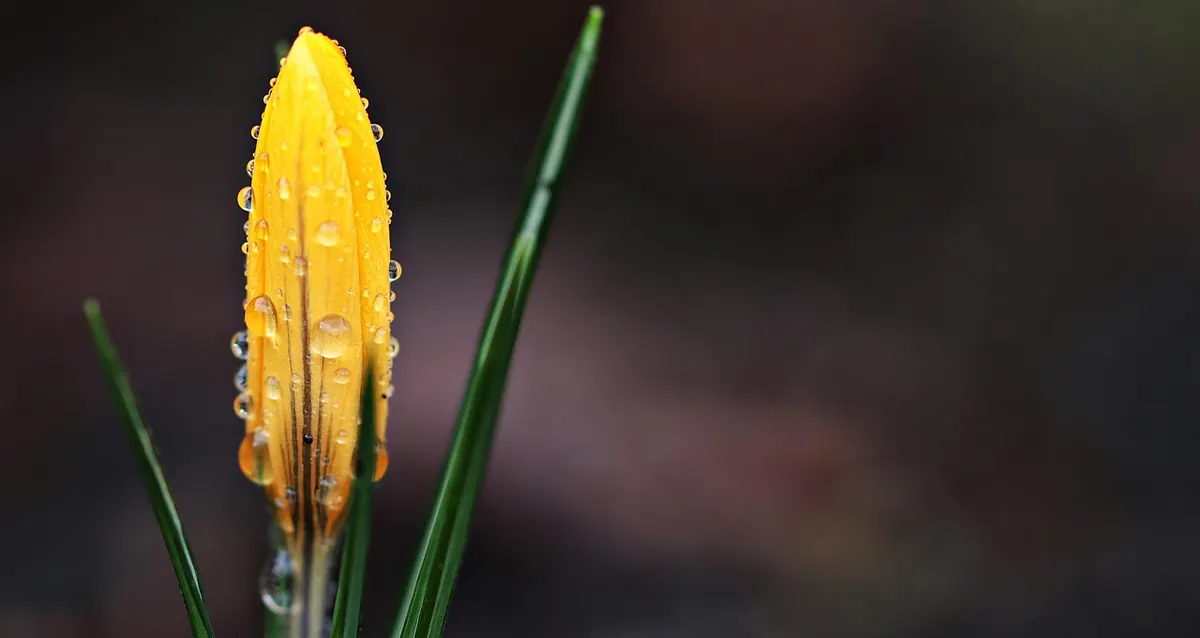
One of the oldest May Day customs is washing your face in the morning dew. Folklore says it brings beauty and luck for the year. If you want to try it, go out before sunrise or just after, when the grass is still wet. Use your own garden, a public path, or a common where access is allowed. Do not trespass, and do not trample wildflower meadows or crops.
Collect dew in a clean bowl if you prefer not to lie on the ground. If you have sensitive skin, use clean water and avoid unknown plants. Do not drink dew or untreated water. This is a symbolic act, not a medical treatment. If you have a skin condition, ask a pharmacist or doctor before trying anything new.
Hawthorn, birch, rowan, oak and elder all have roles in British spring folklore. Hawthorn blossom is often hung outside the door — bringing it indoors is said to be unlucky in some traditions, so keep it on the porch or gate. Birch branches make light, leafy garlands. Rowan is associated with protection. You can also use garden cuttings, bought flowers or a few fallen twigs.
If you are unsure what you are picking, do not pick it. A garland of harmless garden greenery is better than a handful of something you cannot name.
Fire is central to Beltane, but a modern celebration does not need a towering bonfire. Check whether fires are allowed where you plan to gather. Many parks, beaches and commons have bylaws, and dry spring weather can make any open flame dangerous. Use a fire pit, a designated barbecue spot, or a small contained hearth. Clear dry grass and leaves from around it. Keep water, sand and a shovel nearby. Never use petrol, lighter fluid or other accelerants. Never leave a fire unattended, and keep children and pets at a safe distance.
Do not jump over flames. Instead, walk between two candle lanterns, or step over a chalk line or ribbon laid on the ground. This keeps the symbolic crossing without the risk.
If fires are not possible, use candles in jars, LED lanterns or a bowl of water reflecting the sky. The intention matters more than the smoke.
Seasonal food is part of the pleasure. Oatcakes, bannocks, butter, cheese, early herbs and rhubarb all fit a spring table. If you forage, be certain of identification — never eat a plant you cannot name with confidence. Check allergies and dietary needs before sharing. If you are drinking alcohol, arrange a lift home or stick to a soft drink. If you are pregnant, on medication or unsure, ask a pharmacist or doctor for advice.
Most of the problems at spring gatherings come down to access and litter. Park considerately. Do not block gates or farm tracks. Keep dogs on leads near livestock and nesting birds. Take everything home with you, including fruit peel, ribbon ends and tea bags. If you are joining a public Beltane event, arrive on time, listen to the stewards, and do not assume you can take photographs of people without asking.
Beltane is a living tradition for some Gaelic and pagan communities. It is fine to be inspired by it, but avoid claiming you are performing an ancient rite exactly as it was done. Be honest about your own adaptation. If you are invited to a community event, follow their customs rather than importing your own.
You do not need a village green or a bonfire to mark the season. The night before, make a small garland, fill a bowl with water, and set out oatcakes or bannocks for breakfast. In the morning, step outside before the day gets busy. Wash your face in the dew or in clean water. Hang a little greenery by the door. Share breakfast with someone you like. In the evening, light a candle or a small fire, say what you hope for the summer, and put it out carefully.
Keep it kind, keep it small, and keep it tidy. That is how old customs survive — not by being performed perfectly, but by being carried gently into the present.
Photo: NoName_13 / Pixabay

A tour of the legends attached to Britain's standing stones — dancing maidens, wandering rocks and the Devil's poor...
A practical guide to pacing, silence and local detail for telling traditional British ghost stories on dark evenings...
Copyright © 2026 Wisp Patch. All Right Reserved.