May Day and Beltane: How to Celebrate British Spring Folklore Safely
October 10, 2026 - Folklore

October 02, 2026 - Legends
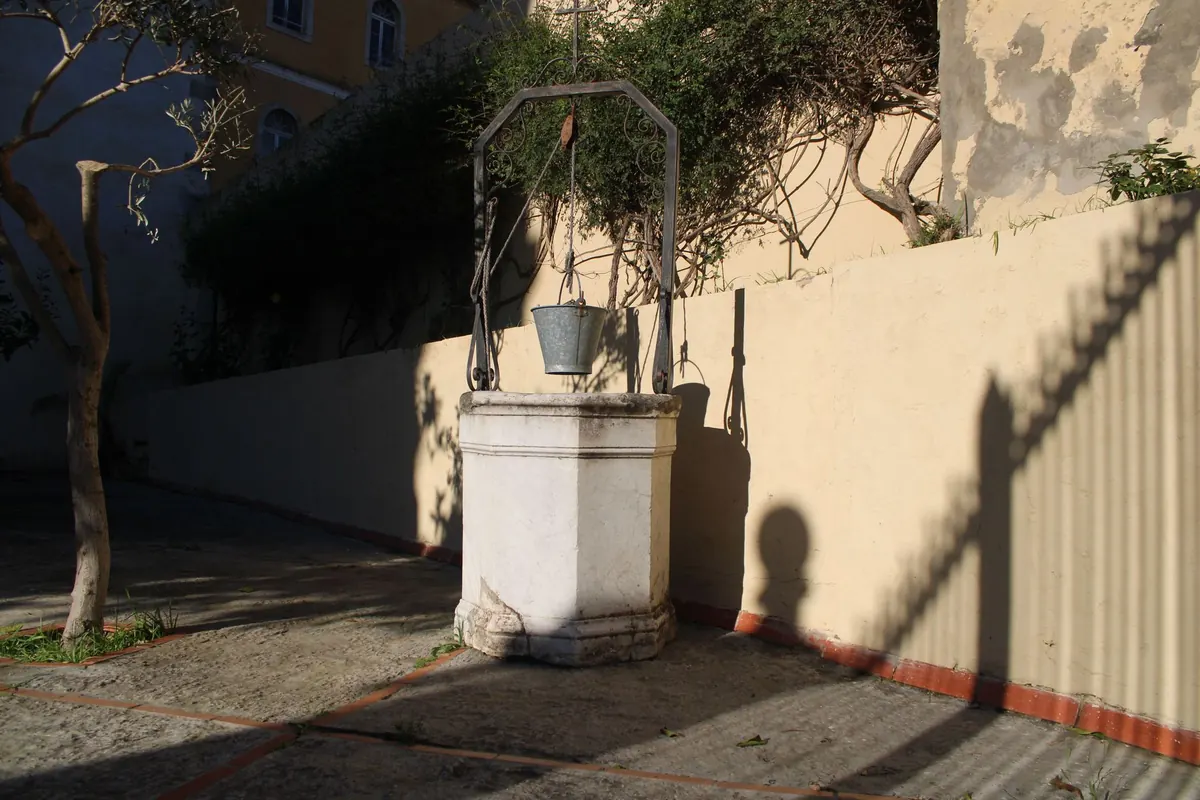
A clootie well is one of the strangest and most quietly moving sights in Britain and Ireland: a spring in a wood, a handful of trees, and hundreds of scraps of cloth knotted to the branches. Some rags are faded to grey, some were tied on yesterday. Clootie comes from cloot, a Scots word for a piece of cloth, and these wells are still visited by people carrying something heavy — a diagnosis, a grief, a worry about someone they love. Munlochy on the Black Isle, Craigie Well at Avoch, Tobernalt in County Sligo and St Brigid's Well at Liscannor in County Clare all draw visitors throughout the year.
Most people get it right. But the same handful of mistakes turns up again and again, and a few of them do real damage — to the trees, to the atmosphere of the place, and to a practice that has been kept alive by ordinary people for a very long time.
A clootie well is a healing well, not a wishing well. The old logic was simple: you brought a piece of cloth that had been in contact with the sick person, dipped it in the water, tied it to a tree, and as the cloth rotted away so the illness was meant to fade. That is why the wells sit at springs rather than at crossroads, and why the rags are personal rather than decorative.
None of this means you need a diagnosis to visit. People come to remember the dead, to mark a recovery, to sit with a worry they cannot say out loud. But the register is different from a fountain in a shopping centre. Coins in the water are the clearest sign that someone has misread the place: metal in a spring, and a habit borrowed from wishing wells, not from healing ones.
The single biggest error is synthetic fabric. A strip of nylon ribbon, a plastic hair bobble or a strip of polyester fleece will still be hanging there in thirty years, strangling the branch it is tied to and looking to the next visitor exactly like litter.
What works:
What to leave at home: plastic bags, hair ties, laminated photographs, plastic flowers, tea lights, glass jars, balloons, dog poo bags (yes, it happens) and coins. Food is another mistake — it draws rats, gulls and deer, and does them no good. If you want to bring an offering of that kind, take it home and give it to a charity instead.
Look at a crowded rag tree and you will see the damage: bark stripped where people have reached for a high branch, snapped twigs, and knots pulled so tight the branch has swollen around them. A few rules keep the tree alive.
Tie loosely, with one or two wraps and a simple knot that will slacken as the cloth shrinks and rots. Do not tie to a young sapling — a band around a thin trunk can girdle it and kill it. Do not climb, do not pull branches down, and do not carve initials anywhere. If the obvious branches are full, look lower or further round; there is always a space. And never untie or remove someone else's clootie to make room for yours.
Clootie wells are not uniform. Many are approached in a sunwise direction — deiseal in Gaelic, roughly clockwise — often three times, sometimes seven, sometimes three times three. Some wells are visited on a particular day: St Brigid's Day at the start of February, May Day, Lughnasa at the beginning of August, or a local pattern day. Others are simply visited when someone needs them.
So watch before you act. Read any notice at the gate. If there is a Mass, a blessing or a small gathering in progress, stand well back, keep quiet and put the phone away. Do not fly a drone over a place where people are praying, and do not photograph strangers at the well; a person may be there to remember a child. If you want a picture, come back when it is empty, or ask first.
Dogs belong at home. If you must bring one, keep it on a short lead, away from the spring and the trees, and clear up after it.
Many wells stand on working farmland, in a garden, at the end of a single-track road with three passing places and no car park. Do not block a field gate, a driveway or a passing place, and do not park on grass that will be cut for silage. If a gate is shut behind you, shut it again. If a well stands on private land, ask at the house rather than climbing a fence to reach it.
Some wells are active Catholic sites with stations, statues and a resident congregation; others have no formal observance at all and are kept going by visitors alone. Both deserve the same courtesy: quiet voices, no music, no shouting across the water, and enough unhurried time to notice where you are.
Well water is untreated surface water. It picks up whatever is in the field above it, and it is not drinking water. Do not drink it, wash your hands before you eat, and if you become unwell after a visit, mention to a doctor where you have been. If you want to take a little water home for a personal use, take it only where the site allows it, and never for drinking.
Do not take clooties, stones, coins, statues or anything else from the site, and do not "tidy" a tree — the oldest rags are the most sacred thing there. Take home everything you brought that will not rot, including the plastic bag your cloth came in. A well should look no worse for your visit, and ideally a little better.
May Day and Beltane mark the start of summer with dew, greenery, maypoles and fires. Here’s how to join in safely,...

A tour of the legends attached to Britain's standing stones — dancing maidens, wandering rocks and the Devil's poor...
Copyright © 2026 Wisp Patch. All Right Reserved.